
25 Church Marketing Ideas That Actually Work (2026 Guide)
Discover 25 practical church marketing strategies that help churches attract new visitors, improve local visibility, and grow their congregation sustainably.
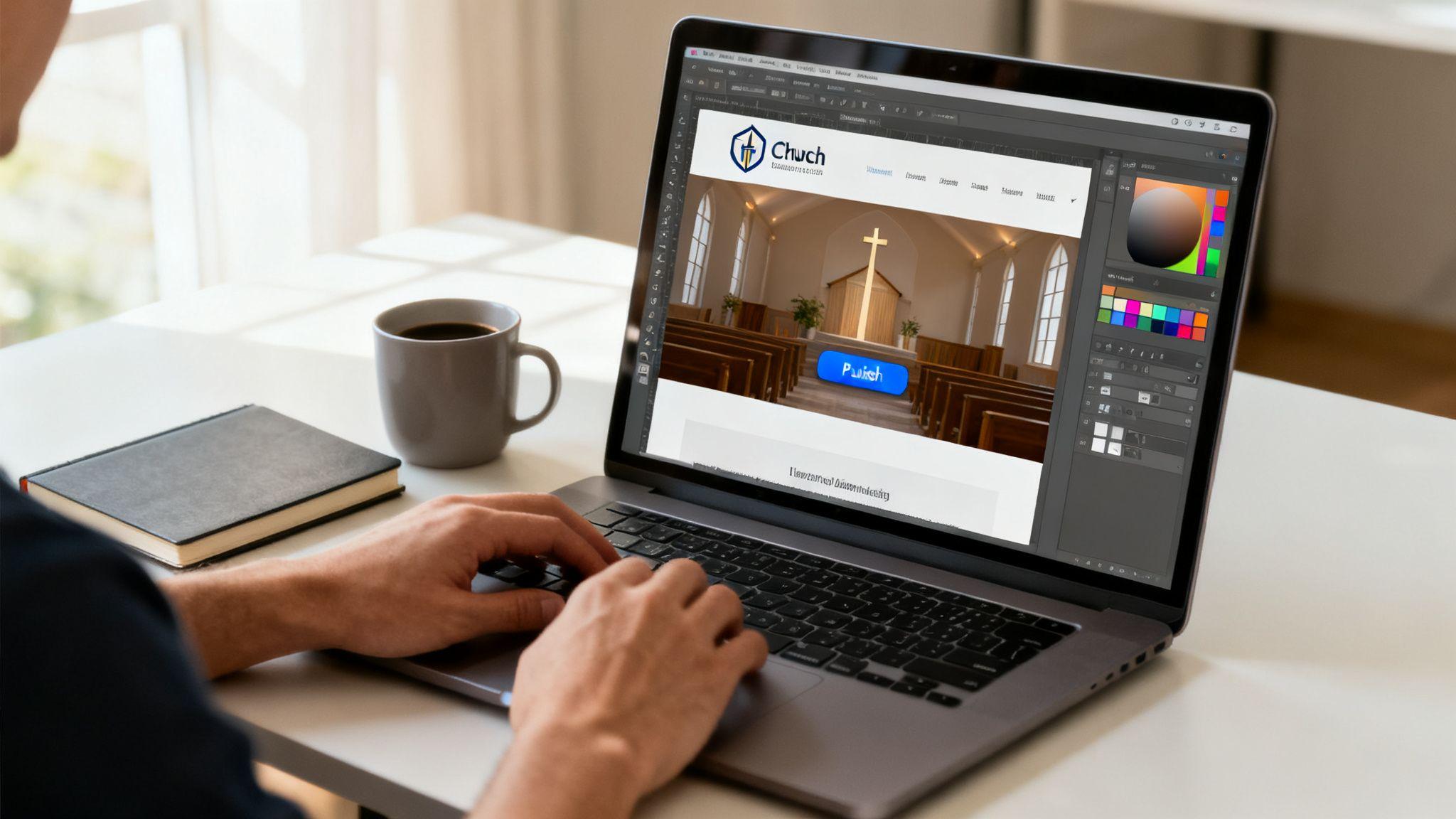
WebRise Media Insight: The fastest-growing churches aren't always the biggest—they're the easiest to discover online. A strong website, local SEO, Google Business Profile, and consistent community outreach often outperform expensive advertising.
Every week, thousands of people search Google for churches near me, Sunday service times, youth ministries, grief support, and family-friendly churches. The opportunity isn't getting people to use Google—it's making sure your church appears when they search.
This guide shares 25 church marketing ideas that actually work in 2026. Whether you're leading a small local congregation or a growing multi-campus ministry, these strategies combine church SEO, local search, content marketing, Google Ad Grants, social media, and community outreach into one practical roadmap.
If your church is ready to build a long-term digital growth strategy, explore our Church Marketing Agency services for churches and nonprofits.
Why Church Marketing Matters in 2026
Church marketing matters because most first-time visitors discover churches online before they ever walk through the front door. Your website, Google Business Profile, local SEO, and digital content now influence trust just as much as your physical location.
The way people search for churches has changed dramatically. Families no longer rely only on recommendations from friends—they search Google for phrases like church near me, Sunday service times, Christian counseling, youth ministries, and community outreach programs from their phones. Church Marketing Agency
This shift makes digital visibility one of the most important outreach opportunities available to churches. A strong church marketing strategy combines local SEO, a helpful website, Google Business Profile optimization, content marketing, and community engagement to help people discover your ministry when they're actively searching.

Local
Search drives nearby church discoveryMobile
Most church searches happen on smartphonesSEO
Long-term visibility without paid adsEffective church marketing isn't about promoting an organization—it's about removing barriers that prevent people from finding hope, community, and practical support. Churches that invest in discoverability often see stronger local visibility because they're easier for both Google and AI-powered search tools to understand.
Digital Foundation: Ideas 1–5
The strongest church marketing strategy always begins with your digital foundation. Before investing in advertising or social media, your website should clearly communicate who you are, what you offer, and how visitors can take their next step.
These five ideas improve user experience, increase search visibility, and help first-time visitors feel confident before attending a service.
Optimize Your Church Website
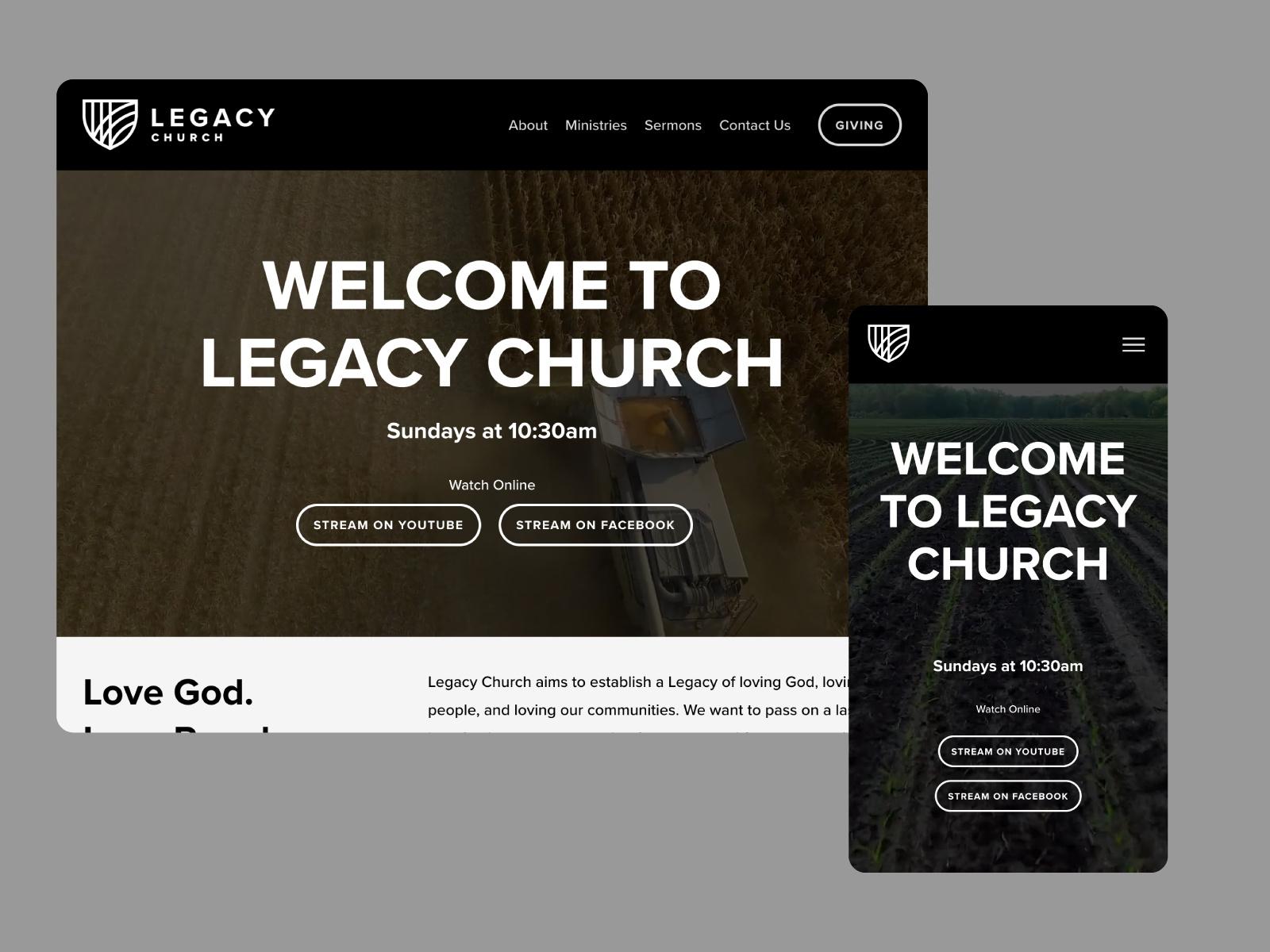
Your website should answer the three questions every visitor asks: Where are you located? What time are services? What should I expect? Clear navigation, fast loading speeds, and mobile responsiveness create a better first impression while improving SEO performance.
Improve Page Speed
Slow websites increase bounce rates and reduce engagement. Compress images, enable browser caching, optimize Core Web Vitals, and remove unnecessary scripts to create a faster experience across all devices.
Create Dedicated Ministry Pages
Give every major ministry its own optimized page—including Youth, Kids, Women's, Men's, Counseling, and Outreach. Dedicated pages rank better for specific searches and provide clearer information for visitors.
Add an Online Prayer Request Form
Prayer requests are one of the highest-converting engagement tools for churches. They create meaningful connections, encourage pastoral care, and provide a gentle first interaction for people who may not be ready to attend in person.
Make Service Times Impossible to Miss
Display worship times, address, parking information, children's ministry details, and contact information prominently on every page. Removing uncertainty makes it easier for first-time visitors to plan their visit.
Local SEO: Ideas 6–10
Local SEO is one of the highest-ROI marketing strategies for churches because it helps nearby families discover your ministry exactly when they're searching for worship services, youth programs, counseling, or community outreach.
Appearing in Google's local results requires more than simply having a website. Your Google Business Profile, reviews, location pages, and consistent church information all work together to improve visibility.
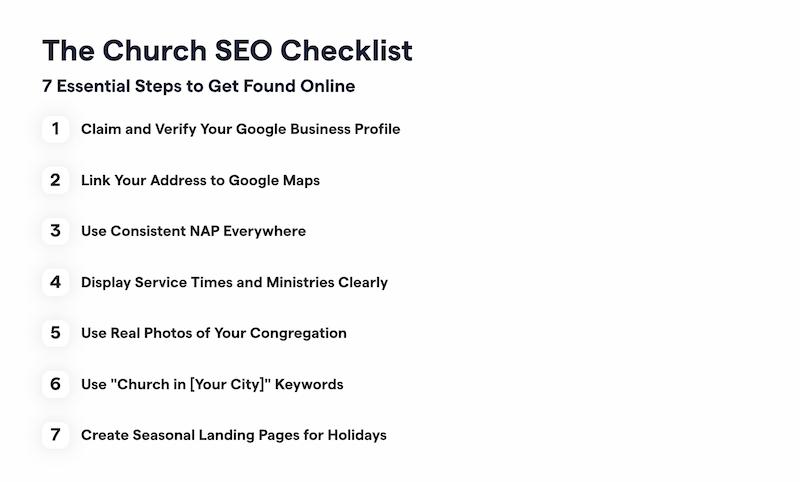
Optimize Your Google Business Profile
Add accurate service times, phone number, address, website, ministry categories, and high-quality photos. A complete profile increases your chances of appearing in Google Maps and local search results.
Collect Google Reviews Consistently
Positive reviews build trust with both Google and potential visitors. Encourage members to leave honest reviews after attending services or church events.
Use Local Keywords Naturally
Include your city, neighborhood, and nearby communities throughout your website. Examples include “Baptist Church in Dallas” or “Youth Ministry in Nashville.”
Create Location-Specific Landing Pages
Multi-campus churches should create individual pages for each location with unique content, maps, ministry details, and service schedules instead of duplicating information.
Rank for “Church Near Me” Searches
Combine local SEO with helpful content, optimized titles, Google Business Profile, and consistent NAP information to improve discoverability for nearby searchers.
Want to attract more local visitors through Google? Learn how our Google Ad Grants for Churches service helps nonprofits combine paid search with long-term local SEO growth.
Want to optimize every setting correctly? Follow the official Google Business Profile Help Center for Google's latest guidelines.
Google Marketing: Ideas 11–15
Google offers churches one of the most powerful nonprofit marketing opportunities available. Through Google Ad Grants, eligible churches can receive up to $10,000 per month in free search advertising while reaching people actively looking for ministries, worship services, and community outreach programs.
The goal isn't simply getting approved—it's creating campaigns that connect your church with people searching for hope, support, and a local faith community. When combined with SEO and a strong website, Google becomes one of your most valuable outreach channels.

Churches can apply through Google for Nonprofits , the official nonprofit program that provides access to Google Ad Grants.
Apply for Google Ad Grants
Eligible 501(c)(3) churches can receive up to $10,000 in monthly Google Search advertising through Google for Nonprofits, making it one of the highest-value digital outreach opportunities available.
Churches can apply through Google for Nonprofits , the official nonprofit program that provides access to Google Ad Grants.
Create Search Campaigns for Every Ministry
Build separate campaigns for worship services, youth ministry, counseling, food pantry, and community outreach instead of placing everything into one generic campaign.
Track Every Meaningful Conversion
Measure prayer requests, volunteer registrations, phone calls, contact forms, and “Plan Your Visit” submissions so your campaigns optimize toward real ministry engagement.
Improve Quality Score Regularly
Better landing pages, relevant keywords, compelling ad copy, and faster websites improve Quality Score, allowing your church to receive more impressions from the grant.
Review Search Terms Every Week
Adding negative keywords and removing irrelevant search queries helps your campaigns reach people who are genuinely looking for your church and its ministries.
Not sure where to begin? Follow our How to Apply for Google Ad Grants for Churches guide to complete nonprofit verification and launch your first compliant campaign.
Content & Social Media: Ideas 16–20
Content marketing helps churches build trust before someone ever visits in person. Every sermon, testimony, short video, and devotional can become discoverable content that serves both your congregation and your local community.
Instead of posting randomly, create content that answers real questions people search for and share it consistently across YouTube, Instagram, Facebook, and your church website.

Turn Every Sermon into a Blog
Repurpose weekly messages into SEO-friendly articles so people searching biblical topics can discover your church organically throughout the year.
Publish Sermons on YouTube
YouTube is the second-largest search engine. Optimize titles, descriptions, and thumbnails to reach people beyond your local congregation.
Create Short Instagram Reels
Share 30–60 second encouragement clips, worship moments, and event highlights to increase engagement with younger audiences.
Build a Facebook Community
Use Facebook Groups and community posts to promote events, prayer requests, volunteer opportunities, and family ministries.
Send a Weekly Email Newsletter
Keep members engaged with upcoming events, sermon recaps, prayer updates, and opportunities to serve throughout the week.
Community Growth: Ideas 21–25
Great church marketing extends beyond digital channels. Community outreach builds trust, strengthens local relationships, and creates meaningful opportunities for people to experience your church before attending a worship service.
Your online presence should always support your offline mission. These five ideas help churches connect with families, serve neighborhoods, and increase long-term community engagement.
Create a Vacation Bible School Landing Page
Build a dedicated page with registration, schedules, FAQs, and parent information instead of announcing VBS only on social media.
Promote Your Food Pantry Through Local SEO
Many families search Google for nearby food assistance. Optimized service pages help your ministry reach people who genuinely need support.
Market Your Marriage & Family Ministries
Dedicated event pages, blogs, and Google search visibility help couples discover workshops, counseling, and relationship resources.
Highlight Youth Ministry Events
Parents frequently search for safe, faith-based youth activities. Keep calendars updated and create shareable event pages throughout the year.
Launch Community Volunteer Campaigns
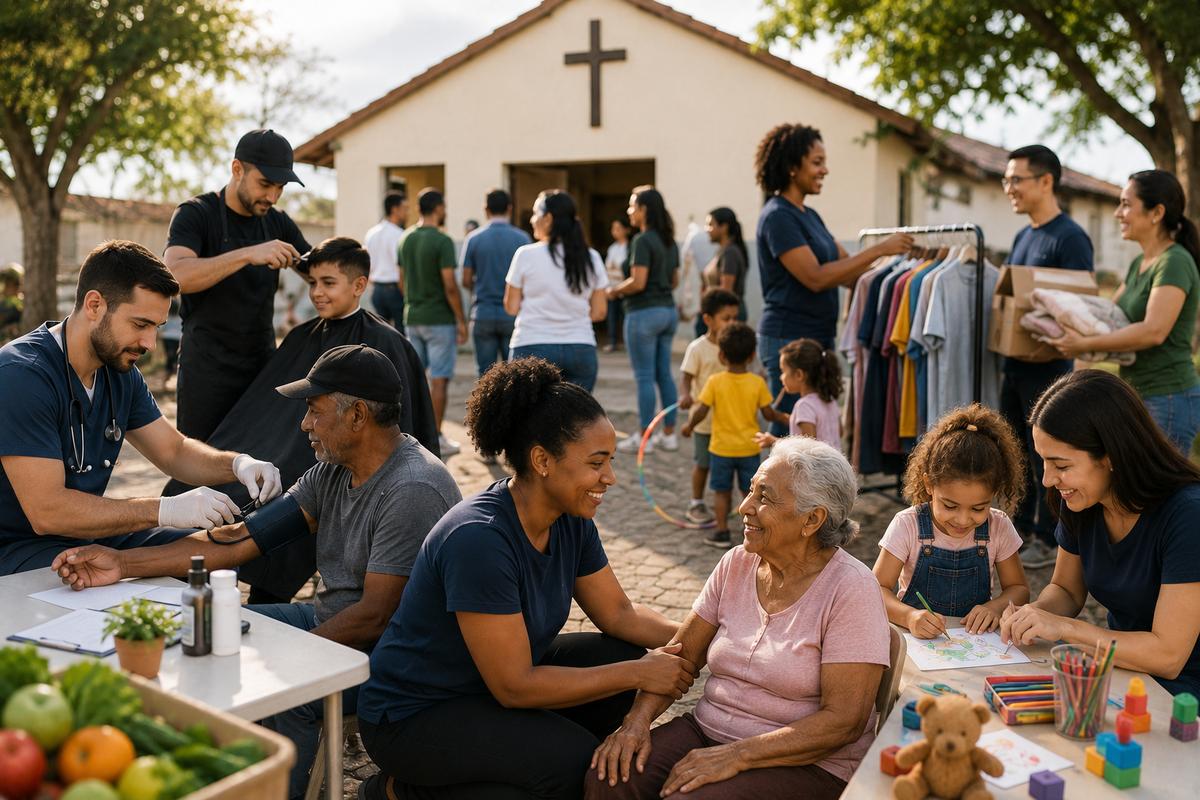
Organize neighborhood cleanups, school partnerships, blood drives, and seasonal outreach initiatives that demonstrate your church's commitment to serving the local community.
Once your outreach campaigns begin generating traffic, consistent optimization becomes essential. Learn how our Google Ad Grant Management Guide helps churches improve Quality Score, maintain compliance, and maximize long-term outreach performance.
Which Church Marketing Ideas Deliver the Highest ROI?
Not every marketing strategy produces results at the same speed. Local SEO, Google Ad Grants, and website optimization typically create the strongest long-term return because they generate consistent visibility rather than temporary traffic spikes.
If your church has limited time or budget, prioritize the strategies below before investing heavily in paid social media or print advertising. These ideas continue working long after they're implemented.

| Marketing Strategy | Cost | Difficulty | Long-Term ROI |
|---|---|---|---|
| Local SEO | Low | Medium | ★★★★★ |
| Google Ad Grants | Free | Medium | ★★★★★ |
| Church Website SEO | Medium | Medium | ★★★★★ |
| Google Reviews | Free | Easy | ★★★★☆ |
| Email Newsletter | Low | Easy | ★★★★☆ |
| YouTube Sermons | Low | Medium | ★★★★☆ |
| Instagram Reels | Low | Easy | ★★★☆☆ |
| Printed Flyers | Medium | Easy | ★★☆☆☆ |
The highest-performing churches rarely rely on a single marketing channel. They combine SEO, Google Business Profile, content marketing, and Google Ad Grants into one connected strategy. For churches wanting a complete digital growth system, our Church Marketing Agency helps ministries build sustainable long-term visibility.
Frequently Asked Questions
1. What is the most effective church marketing strategy?
Local SEO, a helpful church website, Google Business Profile, and consistent community outreach typically produce the strongest long-term results because they help nearby families discover your ministry organically.
2. How can small churches attract new visitors?
Focus on Google Business Profile optimization, service time visibility, community events, and publishing helpful content before investing in paid advertising.
3. Is SEO really important for churches?
Yes. Church SEO helps your website appear when people search for worship services, youth ministries, counseling, food pantries, and other local ministry opportunities.
4. Should churches use Google Ad Grants?
Eligible nonprofit churches can receive up to $10,000 per month in free Google Search advertising, making it one of the highest-value outreach tools available.
5. How often should churches post blogs?
Publishing two to four high-quality articles each month builds topical authority and supports long-term organic visibility better than publishing low-quality content frequently.
6. Do Google Reviews help churches rank locally?
Yes. Authentic reviews improve local trust signals and encourage more people to choose your church when comparing nearby congregations.
7. What's better: Facebook or Instagram?
Both serve different audiences. Facebook works well for community engagement and events, while Instagram reaches younger families through short-form video content.
8. Can sermons improve SEO?
Absolutely. Turning sermons into blog posts and YouTube videos creates evergreen content that answers real questions people search online.
9. How long does church SEO take?
SEO is a long-term strategy. Most churches begin seeing stronger visibility after consistent optimization over several months rather than immediate results.
10. Should churches hire a marketing agency?
If your team lacks time or technical expertise, a church-focused marketing agency can manage SEO, Google Ad Grants, content strategy, and conversion optimization while your ministry focuses on serving people.

Ready to Grow Your Church's Digital Reach?
Church marketing isn't about chasing trends—it's about helping people discover hope, community, and meaningful relationships. Whether you're improving local SEO, launching Google Ad Grants, or building a content strategy, consistency creates sustainable growth.
If you'd like a personalized review of your church's website, SEO, and digital outreach strategy, our team at WebRise Media offers a free church marketing audit with practical recommendations tailored to your ministry.
Request Your Free Church Marketing Audit